Ingredients
Equipment
Method
- Melt the sugar In a medium heavy-bottomed pot over medium heat, combine ¾ cup sugar with 3 tablespoons water. Swirl the pot frequently do not stir with a spoon, just swirl. The caramelization process begins around 320°F as the sugar molecules break down and develop complex, bitter-sweet flavors. You're aiming for a deep mahogany brown. If it smells like a campfire, you've gone too far.
- Add the dairyCarefully pour in the heavy cream, whole milk, remaining ½ cup sugar, and fine sea salt. Warning: The cold dairy hitting the molten sugar will cause it to instantly seize into a solid, terrifying rock. This is completely normal. Keep the heat on medium-low and keep stirring — it will dissolve back into a smooth, glossy liquid within a few minutes. Trust the process entirely.
- Temper the eggsRemove the pot from the heat. Whisk the 6 egg yolks in a separate bowl. Slowly pour about one-third of the hot caramel cream into the yolks while whisking constantly this is called tempering, and it gently raises the yolks' temperature without scrambling them. Then whisk the warmed yolk mixture back into the main pot.
- Cook the custardReturn the pot to medium-low heat and cook gently, stirring constantly, until the mixture thickens enough to coat the back of a spoon this happens at approximately 170°F (77°C) on an instant-read thermometer. Do not rush this on high heat; you will get caramel-flavored egg drop soup and a great deal of personal regret.
- Strain and chillPour the custard through a fine-mesh sieve into a clean bowl to catch any cooked egg bits. Cool to room temperature, then cover and refrigerate for at least 4 hours overnight is even better. A warm base won't churn properly and produces an icy texture.
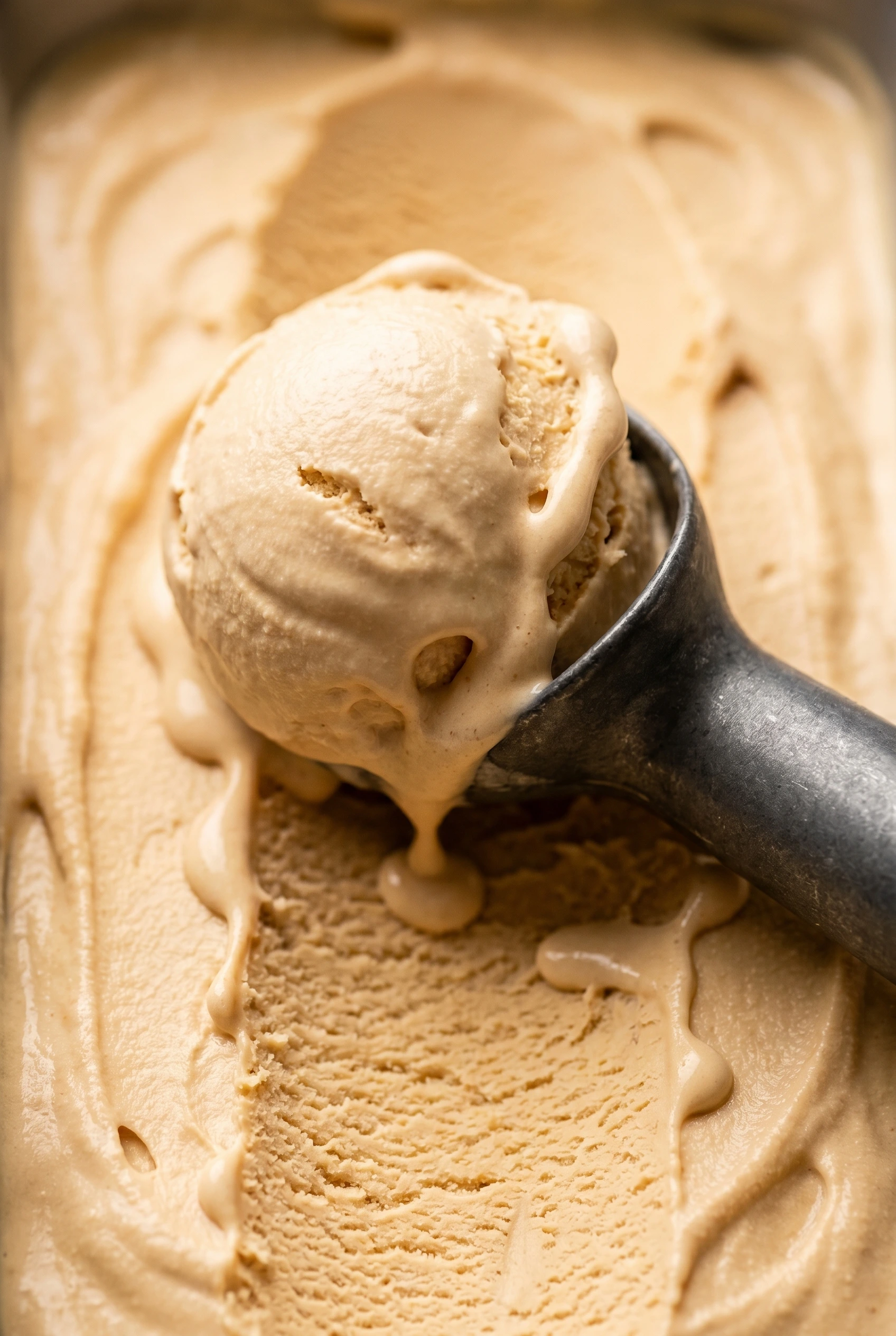
- ChurnChurn in your ice cream machine per the manufacturer's instructions. In the last 2 minutes of churning, sprinkle in the flaky sea salt so it distributes evenly without fully dissolving. Eat it immediately as soft-serve for quality control, or transfer to a shallow airtight container and freeze until firm.